Why We Built Pasaj: The End of the Lonely Bookshelf
How a local book exchange app is fighting the loneliness epidemic and saving the planet, one paperback at a time.
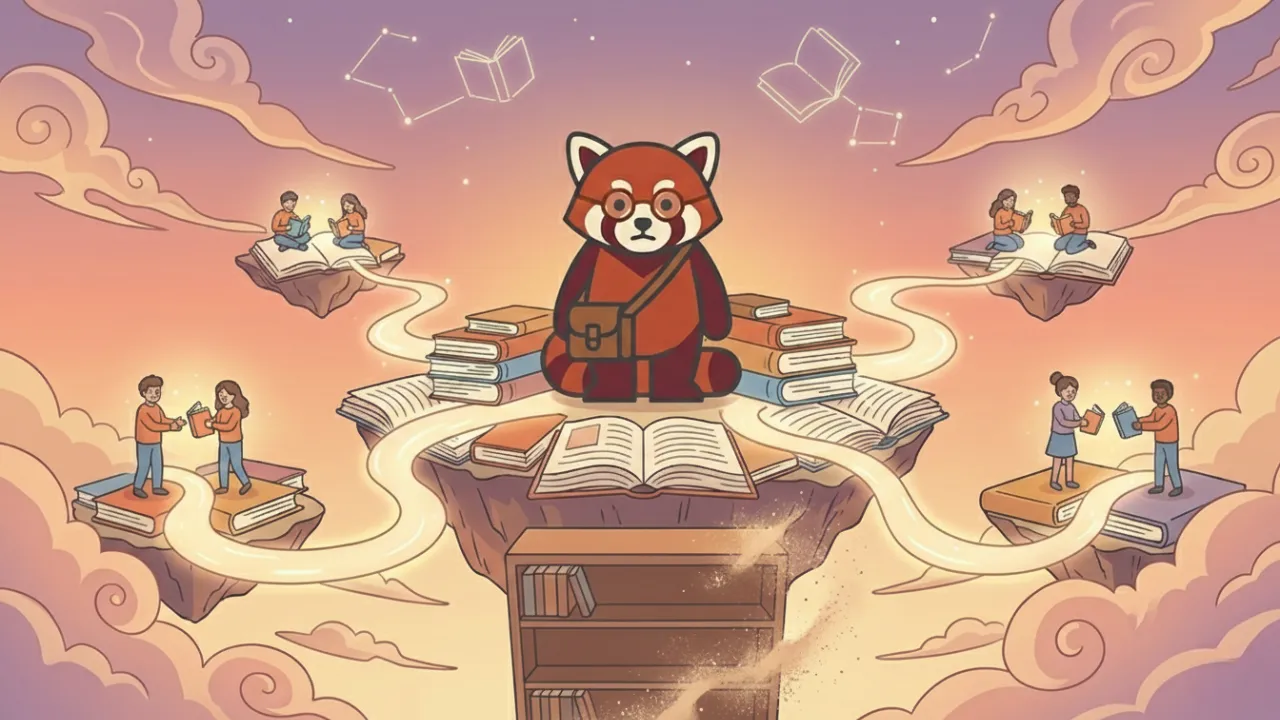
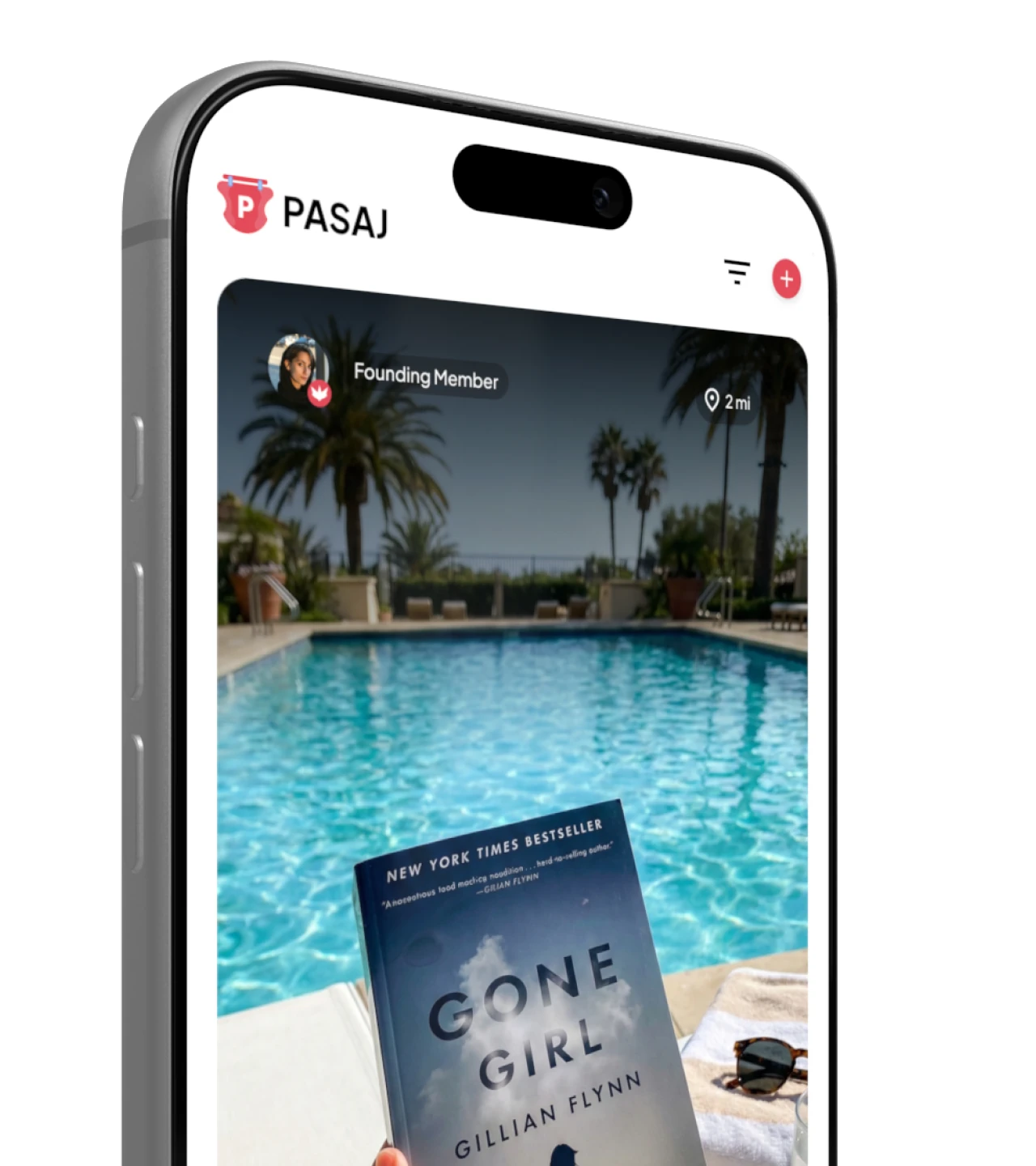
We built Pasaj because we believe books are meant to be read, not hoarded. In a world where the average new book generates 7.5kg of CO2 and loneliness is cited as a top health risk, trading books with neighbors is a simple solution to complex problems. Pasaj creates a hyperlocal community where you can declutter your home, save money, and meet people nearby—all through the magic of a good story.
The Tragedy of the "Lonely Bookshelf"
Picture your bookshelf right now.
If you are like most readers, it is likely double-stacked with novels you devoured years ago. You loved them. You cried over them. You dog-eared the pages. But now? They sit there, gathering dust.
This is what we call The Lonely Bookshelf.
We treat books like trophies. We finish them and shelve them, sentencing them to a life of silence. But a book is a vessel for ideas. When it sits on a shelf for a decade, it’s not fulfilling its purpose. It’s "dead capital"—socially and environmentally.
We asked ourselves: Why is it so hard to get these books into the hands of someone who would love them?
The Hidden Cost of Reading New
We love independent bookstores, and we should always support authors. But the "buy new, read once, shelve forever" cycle is unsustainable.
- The Environmental Cost: Producing a single new book consumes vital resources—paper, water, and ink. Research suggests the carbon footprint of a new book is roughly 7.5kg of CO2.
- The Financial Cost: Being a "book worm" is expensive. With hardcover prices rising, a monthly reading habit can cost upwards of $600 a year.
- The "Stuff" Problem: We are drowning in clutter. We want to declutter books, but throwing them in the recycling bin feels like a crime (and often, they can't be recycled easily due to glue and bindings).
Why "Pasaj"? (The Passage to Connection)
This is where Pasaj comes in.
In many cultures, a Pasaj (or Passage) is a walkway, a crossing point, a place where people meet on their way to somewhere else.
We designed the Pasaj app to be that digital crossing point. It is a local book exchange app designed to bridge the gap between your lonely bookshelf and your neighbor’s nightstand.
Unlike shipping-based swap sites that feel like transactional e-commerce, Pasaj is hyperlocal. It’s about walking a few blocks to hand a book to someone who lives in your city.
Fighting the Loneliness Epidemic
We are more connected than ever, yet more lonely. The U.S. Surgeon General recently declared loneliness an epidemic, as harmful to our health as smoking 15 cigarettes a day.
When you trade books with neighbors on Pasaj, you aren't just saving $20. You are having a micro-interaction. You are meeting someone in a local coffee shop or park. You are looking a stranger in the eye and saying, "I think you'll love the ending of this one."
That moment of connection? That is the real "social network."
How Pasaj Works
-
Scan & Upload: Simply take a photo of the books you are willing to share. Your "Lonely Bookshelf" is now a "Community Library" with the help of AI-assisted book recognition.
-
Browse Nearby: See what sustainable reading options are available within walking or biking distance. Who knows? Maybe you'll find your next favorite book just around the corner.
-
Request & Swap: Chat with the other user, agree on a safe public spot, and make the exchange.
-
Read & Repeat: Once you finish, put it back on Pasaj for the next neighbor.
Join the Local Literary Revolution
The era of hoarding is over. The era of sharing has begun.
By using Pasaj, you are turning your city into one giant, decentralized library. You are saving trees, saving money, and maybe—just maybe—making a new friend down the street.
Don't let your books be lonely. Give them a new life today!

Related articles
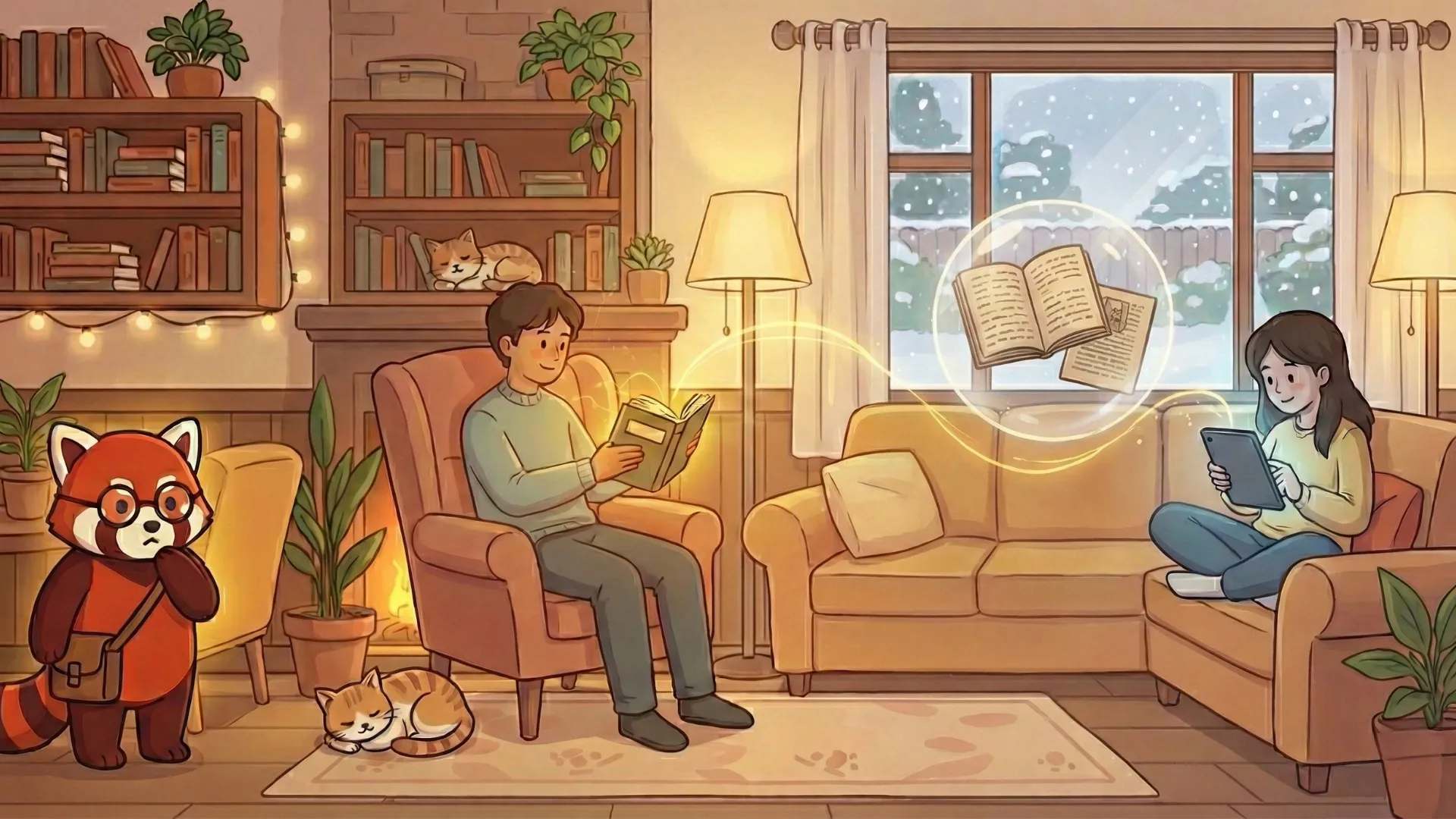
Reading Physical Books vs Digital Reading: What Neuroscience Reveals About Focus, Memory, and Deep Learning
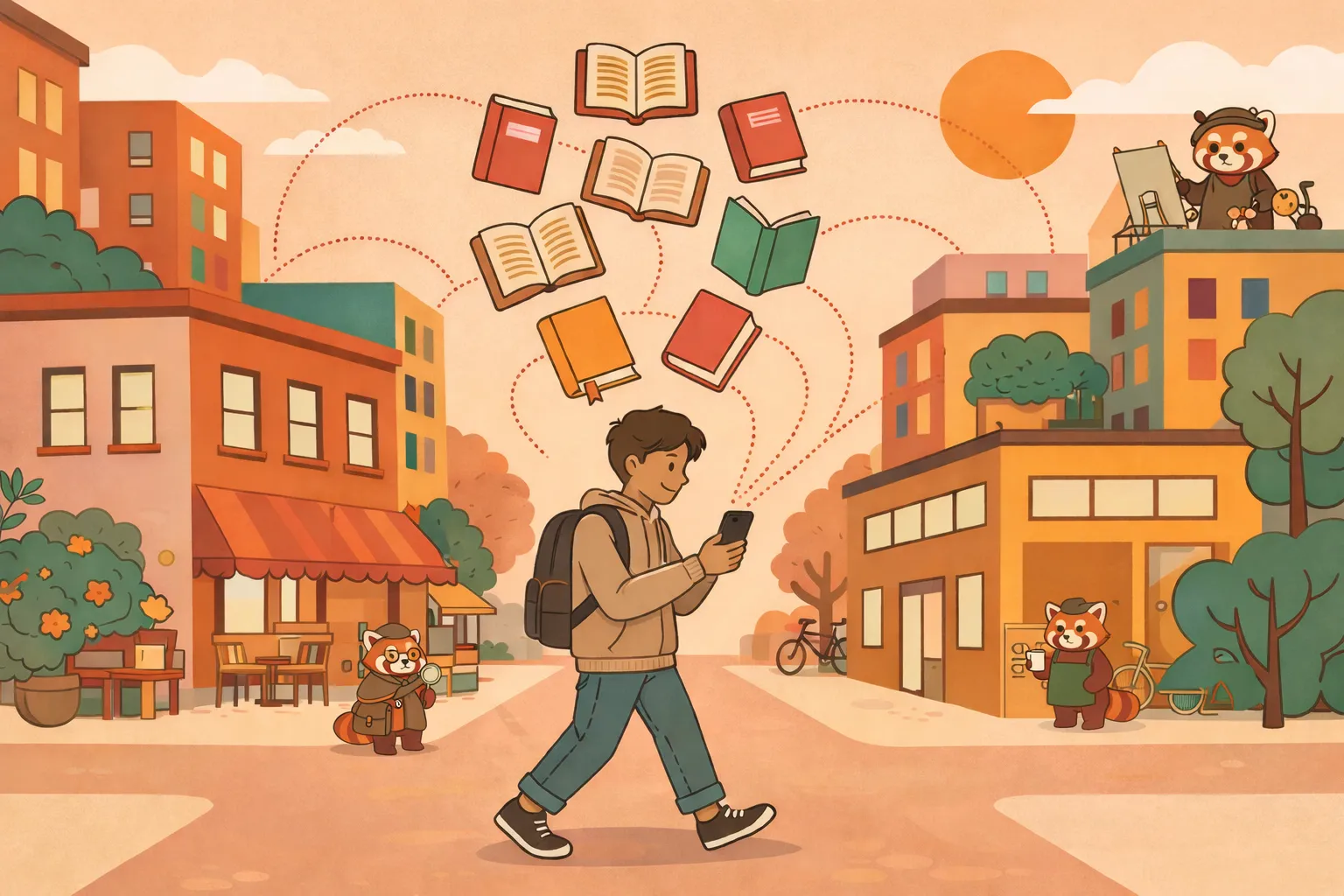
The Urban Treasure Hunt: Discovering Your City One Book at a Time
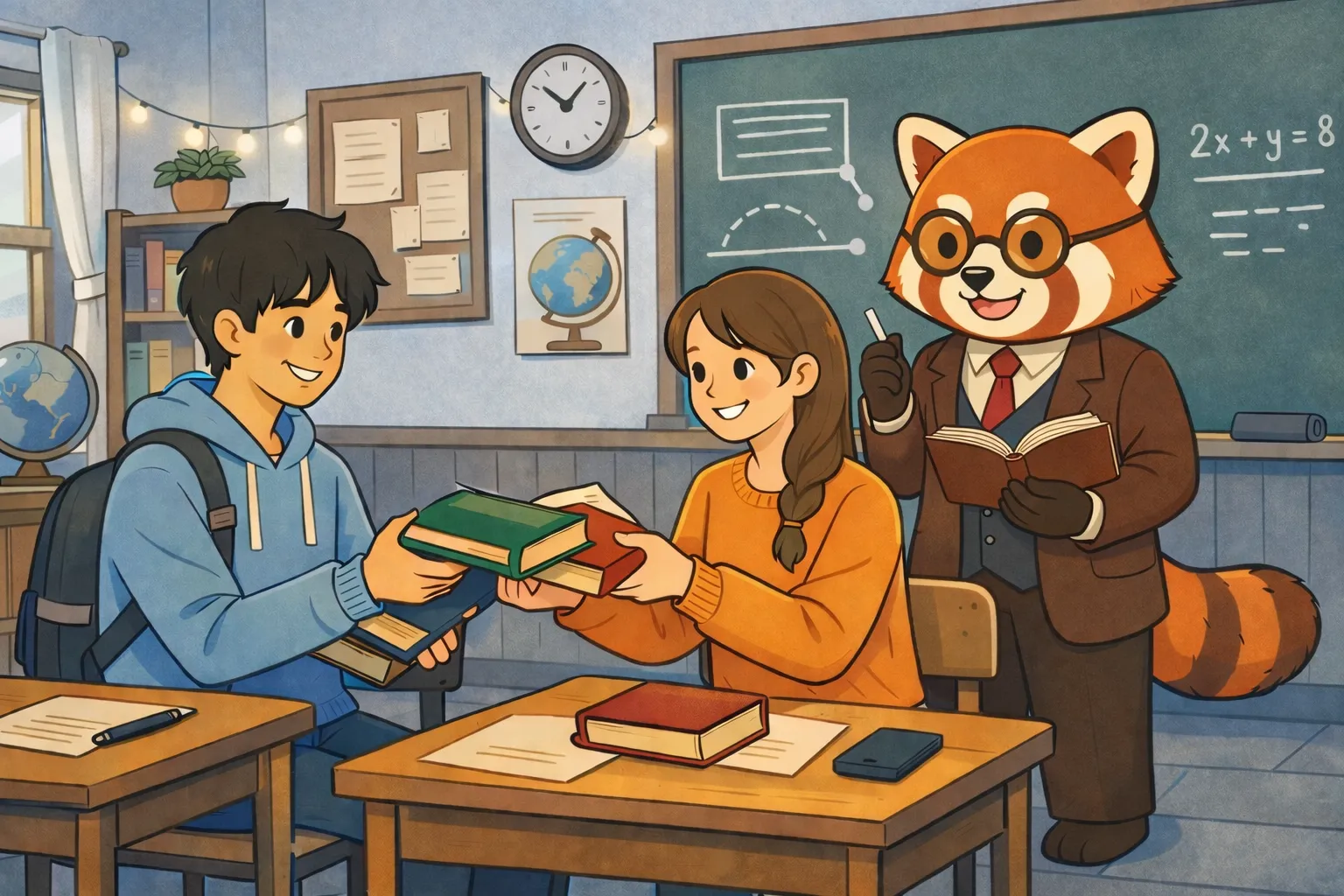
The Smart Student's Guide to Sourcing Textbooks in 2026
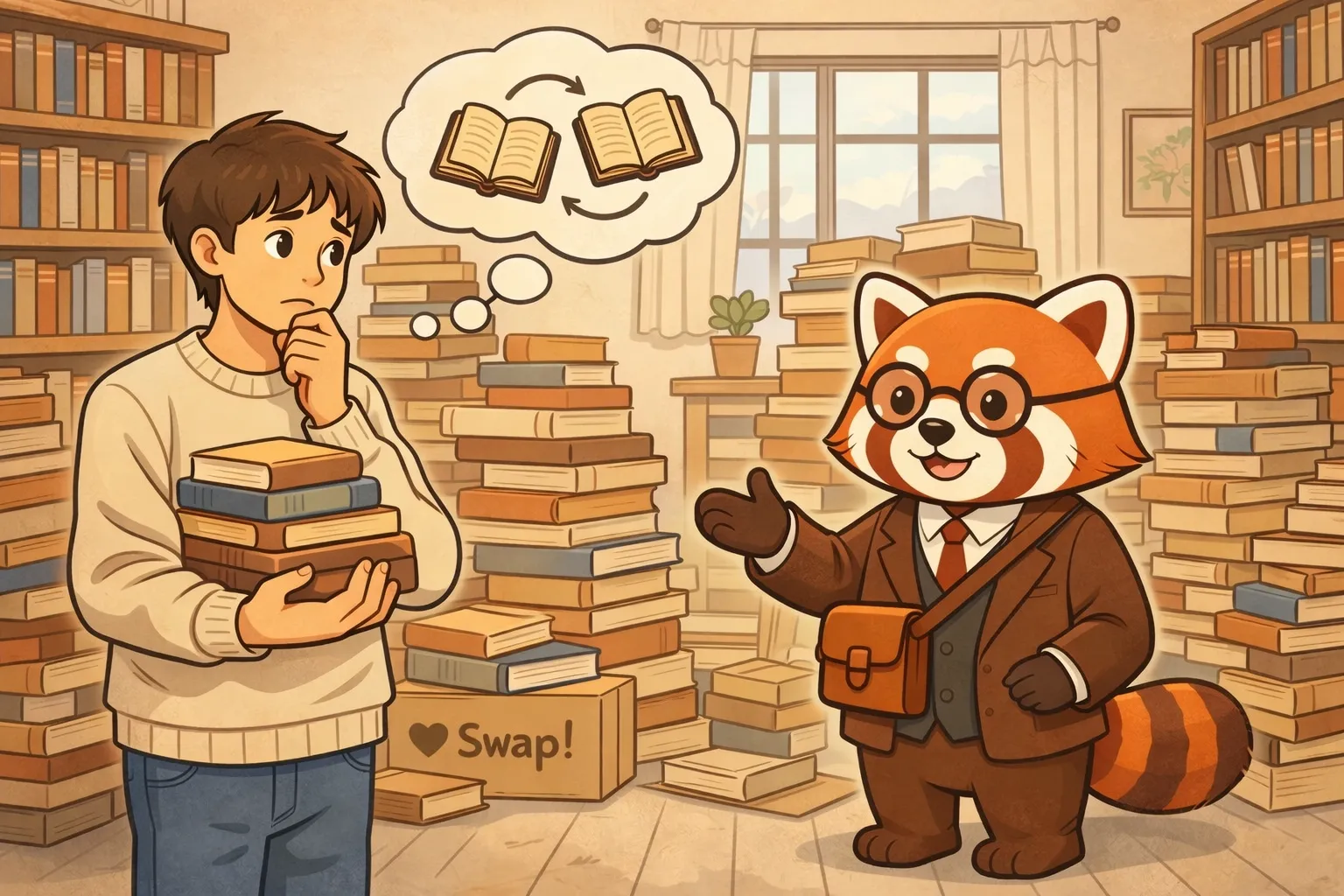
Stop Hoarding: How to 'Release' Your Books Guilt-Free (The Art of Letting Go)
Download Mobile App
Download Pasaj & experience book swapping today! connect with readers nearby and give your books a second life.