The Smart Student's Guide to Sourcing Textbooks in 2026
Why buying new is out, and community swapping is in. Here is how to upgrade your semester with the 'Snap & Swap' method.
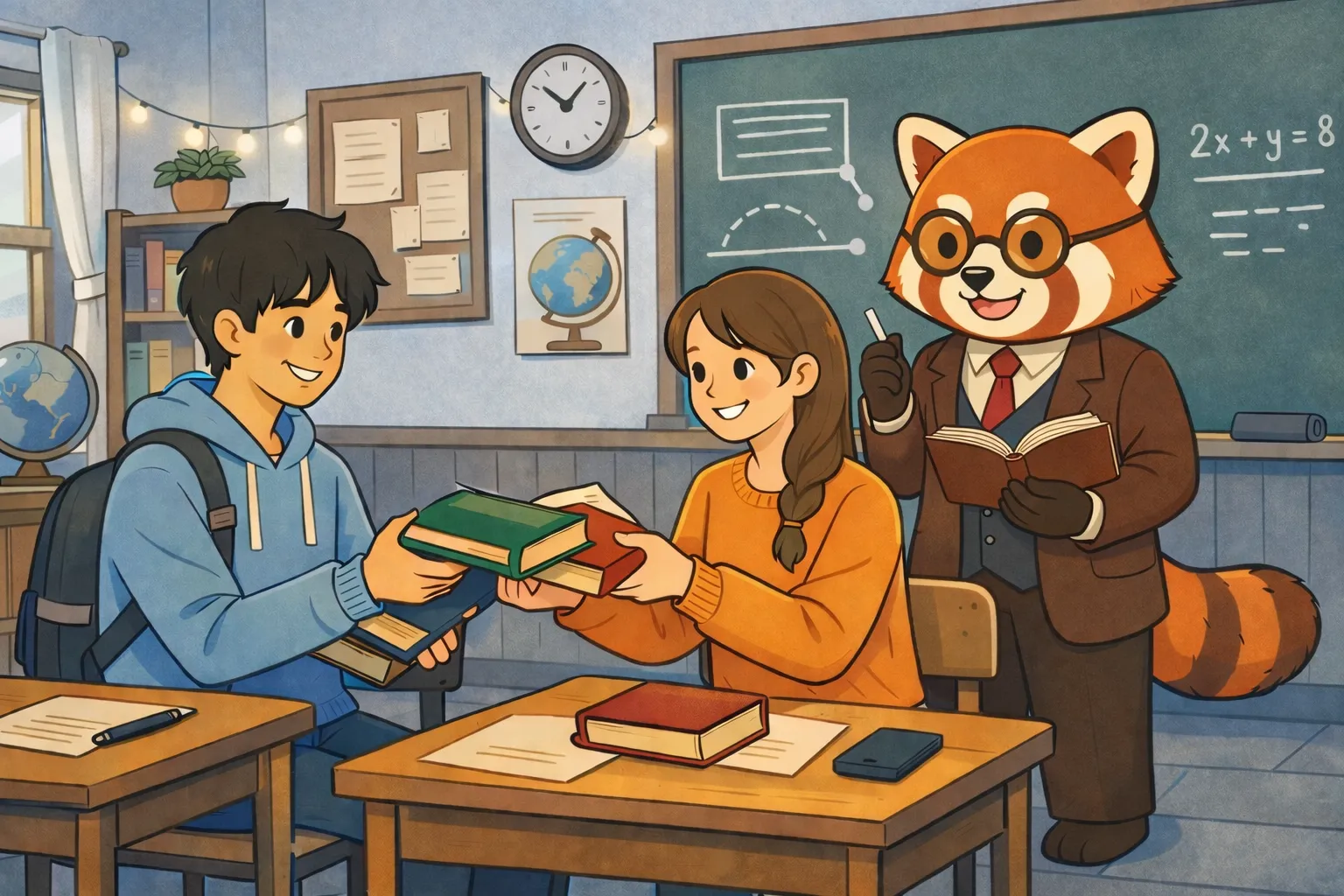
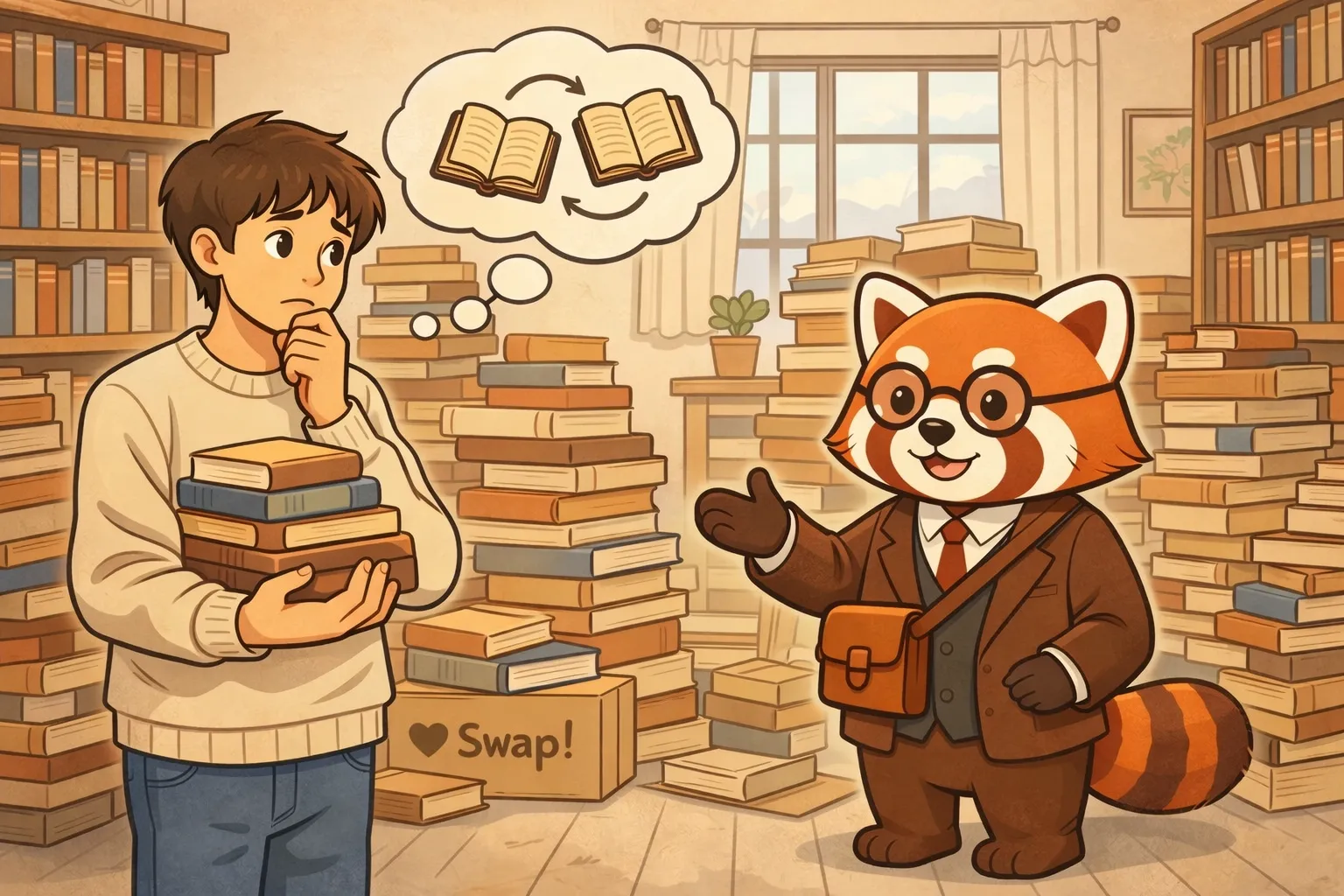
University is an exciting time for new ideas, but it can also be expensive. With the average student spending hundreds of dollars a year on course materials, finding smarter ways to access books is essential. In 2026, the best resource isn't always the bookstore—it's your fellow students. By using hyperlocal exchange apps like Pasaj, you can connect with classmates nearby to swap textbooks for free (or a simple coffee). It's faster, budget-friendly, and a great way to meet people in your major.
A Smarter Way to Read
We all know the feeling of needing a specific edition for a class, only to use it for a few months. Instead of buying brand new copies that sit on your shelf after finals, imagine if those books could easily flow to the next student who needs them.
The supply is already on campus. Right now, within a short walk of your dorm or apartment, there are likely seniors who have finished the exact course you are starting. They have the book, and you have the need. The only missing piece has been an easy way to connect.
The "Snap & Swap" Solution (No Barcodes Required)
In the past, passing books on was a bit of a hassle. You had to type out long titles, print flyers, or manage complicated online listings.
Pasaj simplifies this so you can focus on your studies. We designed our app for students who value their time.
How the AI Feature Works:
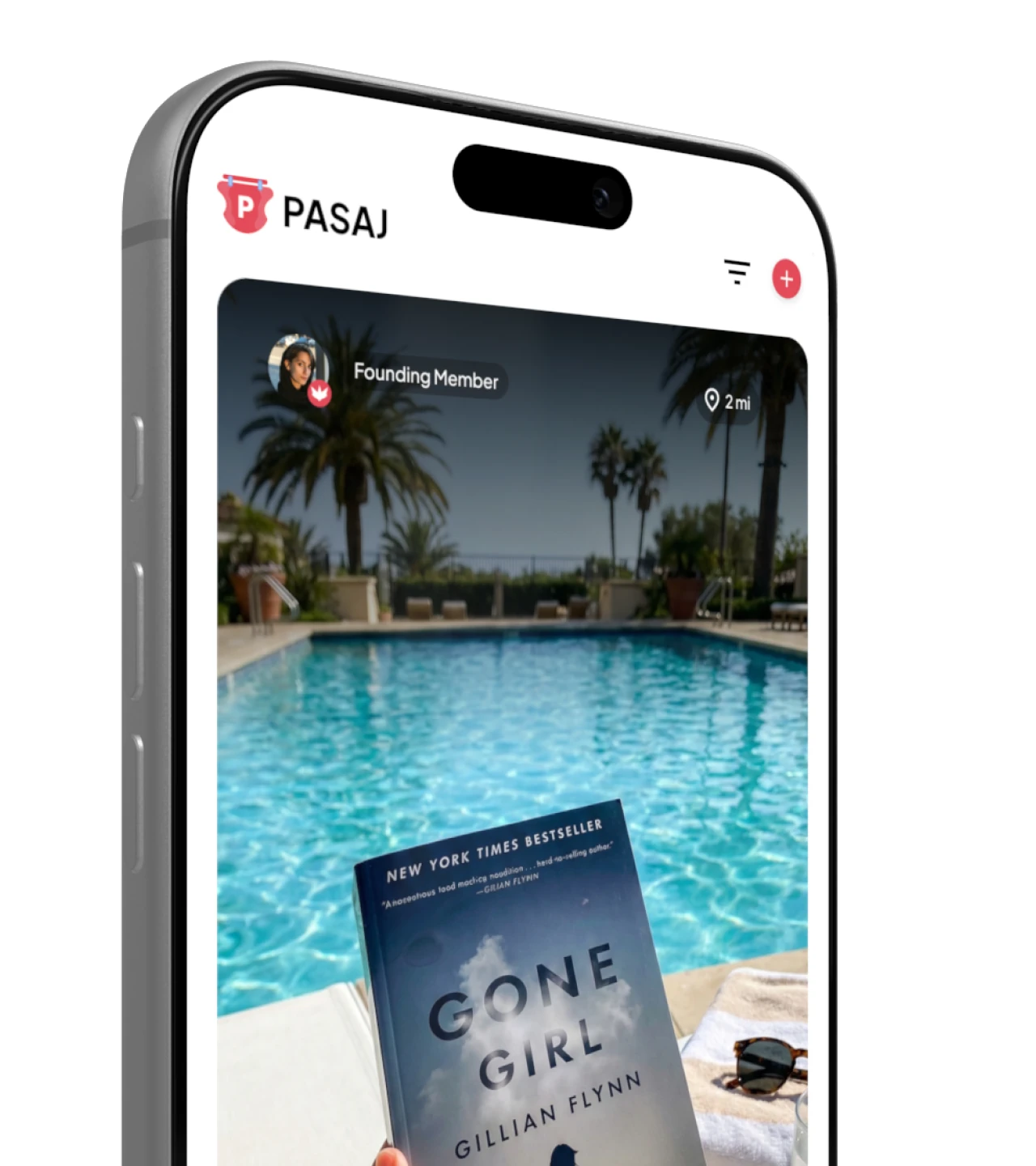
Don't Type: Just open the Pasaj app and point your camera at the book cover.
AI Magic: Our AI instantly recognizes the book (even academic titles!), and automatically fills in the Title, Author, and Category for you.
Post: Add a quick personal note (e.g., "Great condition, helpful notes in Ch. 4"), and it's live for students nearby to see.
It takes seconds. You can list your books while walking to class or waiting for a friend.
The "Green" Advantage
Sustainability is a priority for many students today. Producing new textbooks requires significant resources—paper, ink, and shipping.
When you choose a used textbook exchange, you are making a positive environmental choice. You are extending the lifecycle of a book and keeping resources in circulation within your local community. It is a simple, impactful way to lower your carbon footprint while you study.
How to Create a Swap Circle
Want to make the most of the sharing economy this semester? Here is a simple playbook:
Download Pasaj: Set your location radius to your campus area.
List Early: As soon as you finish a course, snap photos of your books. It feels great to declutter!
Search Locally: Before the semester starts, browse the app. You might find the Bio 101 or Econ textbook you need is just two streets away.
Meet & Connect: Meet in a safe, public spot like the university library or a favorite campus coffee shop.
Conclusion: Read Smart, Connect More
Your university experience is about more than just grades; it's about building a network and learning to solve problems creatively. Sourcing your books through a community swap is a perfect example of both.
Unlock the library hidden in your neighborhood. Snap your books, find your next read, and join the movement.
Download Pasaj for iOS and Android
Frequently Asked Questions (FAQ)
Is Pasaj only for fiction books?
No! Pasaj is perfect for university textbook swaps. Our AI recognizes academic titles, manuals, and non-fiction just as easily as novels.
How do I find students nearby?
Pasaj is a location-based application. When you sign up, you'll see books listed by users closest to you—making it ideal for campus environments where everyone is within walking distance.
What if my textbook is an older edition?
List it anyway! Often, the difference between editions is minor (page numbers or a few diagrams). Many professors allow older editions, and other students are happy to save the money.
Is it safe to meet other students?
Yes, but always follow safety protocols. Meet in public areas on campus like the university library or student center during the day.
Related articles
Reading Physical Books vs Digital Reading: What Neuroscience Reveals About Focus, Memory, and Deep Learning
The Urban Treasure Hunt: Discovering Your City One Book at a Time
Stop Hoarding: How to 'Release' Your Books Guilt-Free (The Art of Letting Go)

The Ultimate Guide to Hosting a Safe Book Swap in 2026
Download Mobile App
Download Pasaj & experience book swapping today! connect with readers nearby and give your books a second life.