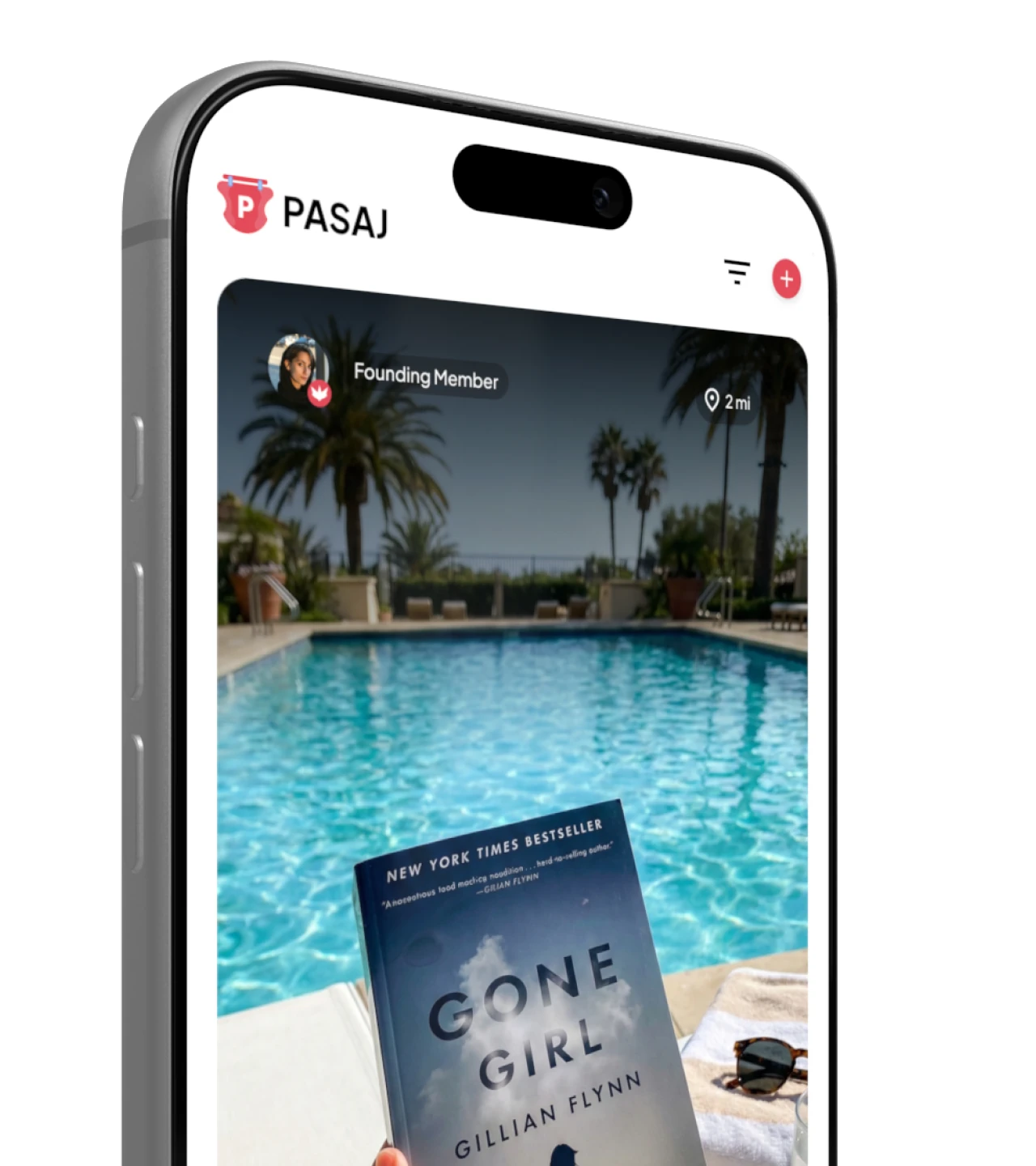

Reading Physical Books vs Digital Reading: What Neuroscience Reveals About Focus, Memory, and Deep Learning
Is reading on a screen as effective as reading a physical book? Drawing on research and testimony from neuroscientist Dr. Jared Cooney Horvath, this in-depth guide explores how print and digital formats influence attention, comprehension, and retention—while supporting a balanced reading culture.


Introduction
Reading habits have shifted dramatically in the past twenty years. Smartphones, tablets, and e-readers have made books instantly accessible. At the same time, physical books continue to dominate classrooms, libraries, and personal study environments.
The question is no longer whether digital reading is convenient. It clearly is. The more meaningful question is whether the format of reading—print or screen—changes how we process and retain information.
Research and public testimony from Dr. Jared Cooney Horvath provide important insight into this discussion. His work examines how attention, environment, and medium shape learning outcomes.
This article explores what neuroscience suggests about physical books vs digital reading, and how readers can build a balanced, effective reading strategy.
How the Brain Processes Written Information
Reading is not a biologically pre-programmed ability. The brain repurposes visual and language networks to decode written symbols. Effective reading requires coordination between:
- Visual recognition systems
- Language comprehension circuits
- Working memory
- Executive attention control
Deep comprehension depends on sustained attention. When attention remains stable, the brain integrates ideas across sentences and paragraphs, builds conceptual frameworks, and stores information in long-term memory.
When attention fragments, comprehension weakens.
The medium through which we read can influence this attentional stability.
What Research Shows About Screen Reading vs Print
Comparative research on screen reading vs print has produced consistent patterns, especially for long-form or complex material.
Attention and Cognitive Load
Digital devices are multifunctional tools. Even when notifications are turned off, the brain associates screens with rapid interaction—scrolling, swiping, switching tasks.
This expectation can subtly encourage skimming rather than deep processing. Cognitive science shows that task switching carries a measurable mental cost. Each shift requires reorientation, reducing depth of engagement.
Physical books, by contrast, are single-purpose objects. They reduce environmental prompts to multitask.
Comprehension and Retention Differences
Studies summarized in the testimony of Dr. Jared Cooney Horvath indicate that readers often:
- Read faster on screens
- Feel equally or more confident in their understanding
- Perform slightly worse on objective comprehension tests for longer texts
This gap between perceived understanding and measured retention is sometimes referred to as a "screen inferiority effect." It does not apply universally. Differences are minimal for short articles or simple content.
However, for analytical essays, academic material, or dense nonfiction, print often supports stronger retention.
Perceived Understanding vs Measured Performance
One of the most important findings in this field is overconfidence. Readers frequently believe they understand digital material just as well, even when recall tests suggest otherwise.
This miscalibration may occur because faster reading creates a feeling of fluency. Fluency, however, does not always equal comprehension.
Insights from Dr. Jared Cooney Horvath
The work of Dr. Jared Cooney Horvath emphasizes a balanced and evidence-based perspective.
Technology Is Not Inherently Beneficial or Harmful
Digital tools are not automatically superior or inferior. Learning outcomes depend on how tools shape behavior.
Replacing paper with screens does not automatically improve education. Likewise, abandoning technology does not guarantee deeper learning.
Attention Is the Critical Variable
Attention is the bottleneck of learning. If attention is divided, encoding weakens. If attention is sustained, retention strengthens.
Screens increase the probability of divided attention. Print environments reduce that probability.
Effortful Processing Drives Memory
Long-term retention improves when readers engage in effortful processing—pausing, reflecting, re-reading, summarizing mentally.
Physical books often encourage slower pacing. This slower engagement supports effortful processing, which strengthens memory consolidation.
Why Physical Books Support Deep Reading
Spatial Memory and Page Mapping
Printed books provide spatial anchors. Readers often remember information based on physical location within a book—left page, upper corner, early chapter.
This spatial mapping supports episodic memory. Scrolling text reduces these stable reference points.
Reduced Task Switching
Printed books do not contain hyperlinks, embedded videos, or background applications. This reduces the temptation to switch contexts mid-reading.
Even brief digital interruptions can disrupt comprehension chains.
Tactile Engagement and Immersion
Holding a book, turning pages, and visually tracking progress contribute to immersion. These tactile elements create a reading ritual that signals focused engagement.
Immersion is a key factor in narrative absorption and conceptual understanding.
When Digital Reading Is Most Effective
Digital reading offers meaningful advantages:
- Instant access to global libraries
- Adjustable fonts and accessibility tools
- Built-in dictionaries and search functions
- Lightweight portability
For short-form reading, research tasks, or commuting, digital formats are highly efficient.
A balanced reading ecosystem includes both digital convenience and print depth.
Supporting physical books does not undermine authors or publishers. Many readers purchase new books while also using libraries and participating in exchanges. Each pathway strengthens reading culture.
Creating a Balanced Reading Strategy
Instead of choosing between formats, readers can adopt a strategic approach.
Use digital reading for:
- News and short articles
- Quick reference material
- Travel convenience
Choose physical books for:
- Long-form nonfiction
- Academic study
- Complex narratives
- Distraction-free reading sessions
The key is intentionality. Format should align with cognitive goals.
How Pasaj Supports Access to Physical Books
Access to physical books can sometimes be limited by cost or availability. Book exchange communities expand access without replacing traditional book buying.
Pasaj enables readers to swap books locally, allowing a single physical copy to benefit multiple readers over time. This model:
- Extends the lifespan of books
- Encourages sustainable reading habits
- Makes print materials more accessible
- Builds local reading communities
Importantly, book swapping complements purchasing. Many readers continue to support authors and publishers by buying new releases while exchanging previously read books.
By increasing access to physical books, Pasaj indirectly supports deeper, distraction-free reading experiences—aligned with research highlighting the benefits of sustained attention.
TIP
If you value intentional reading and want to discover physical books nearby, explore Pasaj.
Visit Pasaj
Conclusion
The debate between physical books vs digital reading should not be framed as a competition. Both formats have strengths.
Research discussed by Dr. Jared Cooney Horvath suggests that for long, complex material, print often supports deeper comprehension and retention. Digital reading excels in accessibility and speed.
The decisive factor is attention. In an environment filled with digital stimuli, physical books provide a structured space for deep reading.
A thoughtful combination of formats allows readers to benefit from innovation while preserving cognitive depth.
Frequently Asked Questions
Is digital reading harmful to the brain?
No. Research does not suggest that digital reading is harmful. It indicates that comprehension differences may appear in certain contexts, particularly with long or complex texts.
Why do people often remember printed books better?
Printed books provide spatial and tactile cues that support memory encoding. They also reduce opportunities for distraction, which improves sustained attention.
Are e-readers different from smartphones?
Dedicated e-readers reduce some distractions associated with multifunctional devices. However, differences in comprehension depend more on user behavior than hardware alone.
Does book swapping replace buying books?
No. Book swapping complements book buying. Purchasing new books supports authors and publishers, while swapping increases access and extends the life of physical copies.
How does Pasaj support deep reading habits?
By making physical books more accessible within local communities, Pasaj encourages engagement with print materials that naturally support focused and immersive reading experiences.
Related articles


Download Mobile App
Download Pasaj & experience book swapping today! connect with readers nearby and give your books a second life.